Top Quality Pecans: Why Standards Matter in Wholesale

Pecans are more than just a delicious snack; they are a staple ingredient in many kitchens, from home bakers to gourmet chefs. As the demand for high-quality pecans continues to rise, understanding the importance of standards in wholesale becomes crucial. This blog post will explore why quality matters, the standards that govern pecan production, and how these factors impact both suppliers and consumers.
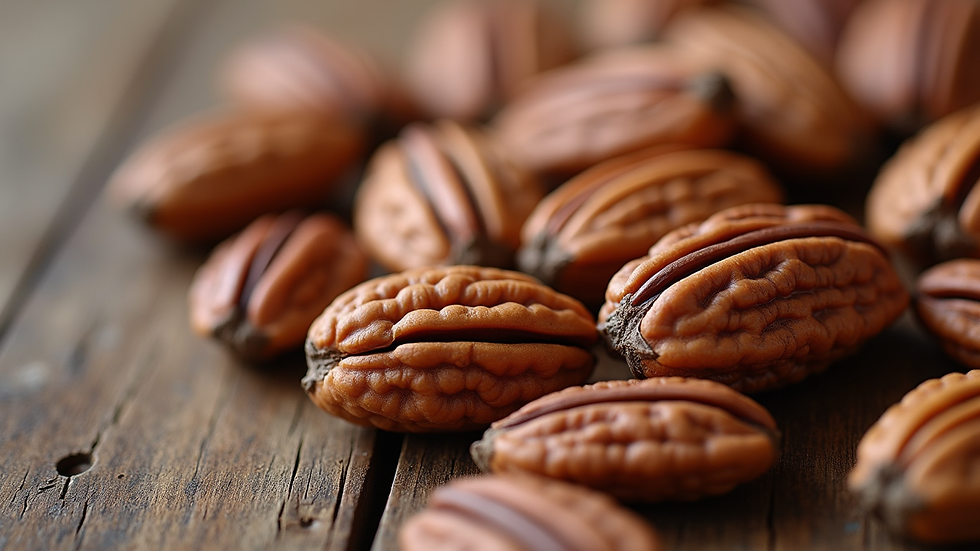
The Growing Demand for Pecans
In recent years, the popularity of pecans has surged. This increase can be attributed to several factors:
Health Benefits: Pecans are rich in healthy fats, antioxidants, and essential nutrients. They are often recommended as part of a balanced diet.
Culinary Versatility: From pies to salads, pecans can enhance a wide range of dishes, making them a favorite among chefs and home cooks alike.
Sustainability: As consumers become more environmentally conscious, they are drawn to nuts like pecans, which have a lower carbon footprint compared to animal-based products.
With this growing demand, the need for high-quality pecans has never been more critical.
Understanding Quality Standards
Quality standards in pecan production are essential for ensuring that consumers receive the best products. These standards can vary by region and organization but generally include:
Grading: Pecans are graded based on size, shell integrity, and kernel quality. The USDA has established grading standards that help buyers make informed decisions.
Moisture Content: High moisture levels can lead to spoilage and mold. Quality pecans typically have a moisture content of 4% to 6%.
Pest and Disease Management: Effective pest control measures are vital for maintaining the health of pecan trees and the quality of the nuts produced.
By adhering to these standards, wholesalers can ensure that they provide top-quality products to their customers.
The Impact of Quality on Wholesale Business
For wholesalers, the quality of pecans can significantly impact their business. Here are a few ways in which quality matters:
Customer Trust and Loyalty
When wholesalers consistently provide high-quality pecans, they build trust with their customers. This trust can lead to long-term relationships and repeat business. Customers are more likely to return to a supplier who delivers quality products that meet their expectations.
Competitive Advantage
In a crowded market, quality can set a wholesaler apart from competitors. Wholesalers who prioritize quality can command higher prices and attract discerning customers who are willing to pay for premium products.
Reduced Returns and Complaints
High-quality pecans are less likely to result in returns or complaints. When customers receive products that meet their expectations, it reduces the likelihood of dissatisfaction and the associated costs of handling returns.
How to Ensure Quality in Pecan Sourcing
Wholesalers must take proactive steps to ensure the quality of the pecans they source. Here are some best practices:
Partner with Reputable Growers
Building relationships with reputable pecan growers is essential. Look for growers who adhere to quality standards and have a track record of producing high-quality nuts. Visiting farms and conducting quality checks can help establish trust.
Implement Quality Control Measures
Establishing quality control measures throughout the sourcing process can help maintain high standards. This includes:
Regular Inspections: Conducting inspections at various stages of the supply chain to ensure quality is maintained.
Testing for Moisture and Contaminants: Regularly testing pecans for moisture levels and potential contaminants can help identify issues before they reach customers.
Stay Informed About Industry Standards
The pecan industry is constantly evolving, with new standards and practices emerging. Staying informed about these changes can help wholesalers adapt and maintain high-quality products.
The Role of Certification
Certification can play a significant role in ensuring quality in the pecan industry. Certifications such as organic or non-GMO can provide consumers with assurance about the quality and sourcing of the products they purchase. For wholesalers, obtaining these certifications can enhance their credibility and appeal to a broader customer base.
Benefits of Certification
Market Differentiation: Certified products can stand out in a competitive market, attracting customers who prioritize quality and sustainability.
Consumer Confidence: Certifications can instill confidence in consumers, leading to increased sales and customer loyalty.
Access to New Markets: Some retailers and distributors require certification for their suppliers. Having the necessary certifications can open doors to new business opportunities.
The Future of Pecan Quality Standards
As the demand for pecans continues to grow, the industry will likely see further developments in quality standards. Here are a few trends to watch:
Technological Advancements
Emerging technologies, such as precision agriculture and data analytics, can help growers monitor and improve the quality of their crops. These advancements can lead to better pest management, optimized irrigation, and improved overall yield.
Sustainability Practices
With increasing consumer awareness about sustainability, the pecan industry may see a shift towards more environmentally friendly practices. This could include organic farming methods, reduced pesticide use, and sustainable harvesting techniques.
Global Market Dynamics
As pecans gain popularity worldwide, wholesalers may need to adapt to global market dynamics. Understanding international quality standards and consumer preferences will be crucial for success in the global marketplace.
Conclusion
The importance of quality standards in the wholesale pecan industry cannot be overstated. By prioritizing quality, wholesalers can build trust with customers, gain a competitive edge, and ensure the long-term success of their business. As the industry continues to evolve, staying informed about quality standards and best practices will be essential for wholesalers looking to thrive in this growing market.
In summary, the journey of a pecan from tree to table is a complex one, influenced by various factors that determine its quality. By understanding and implementing quality standards, wholesalers can ensure they provide the best products to their customers, ultimately benefiting everyone involved in the supply chain.

Comments